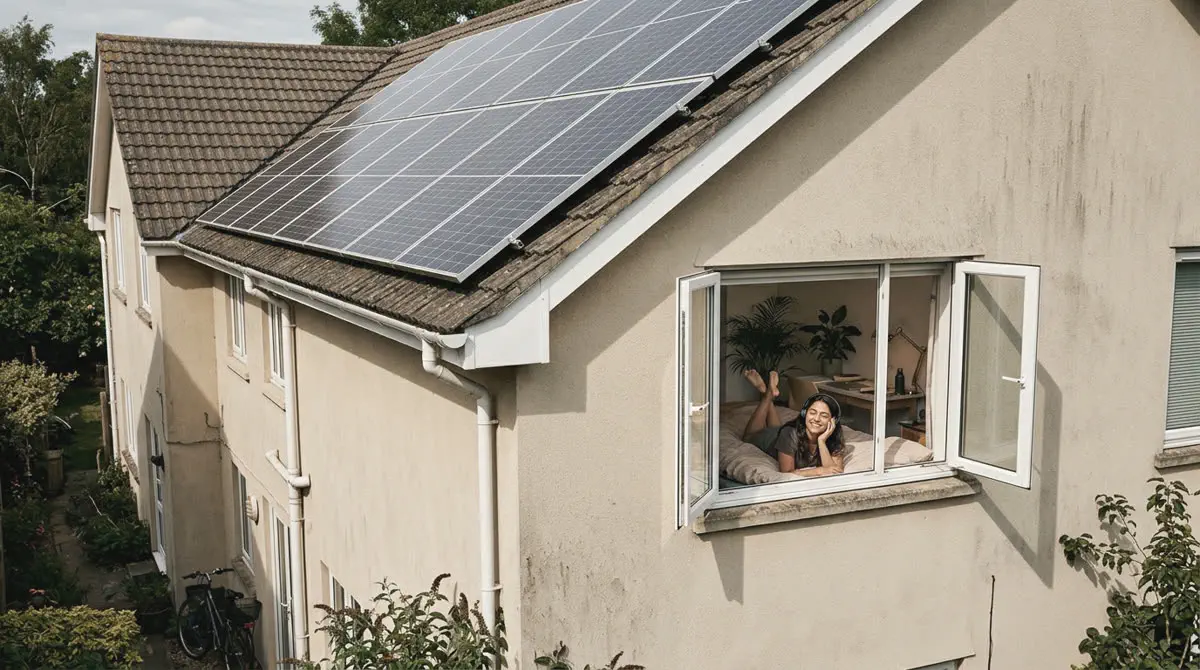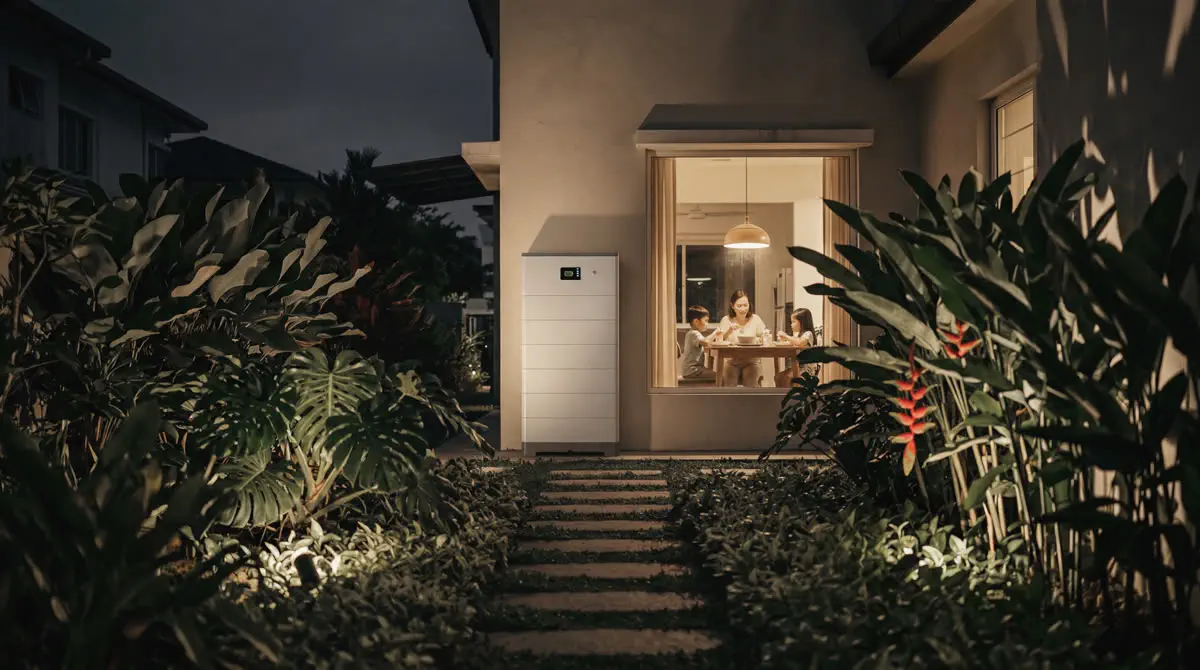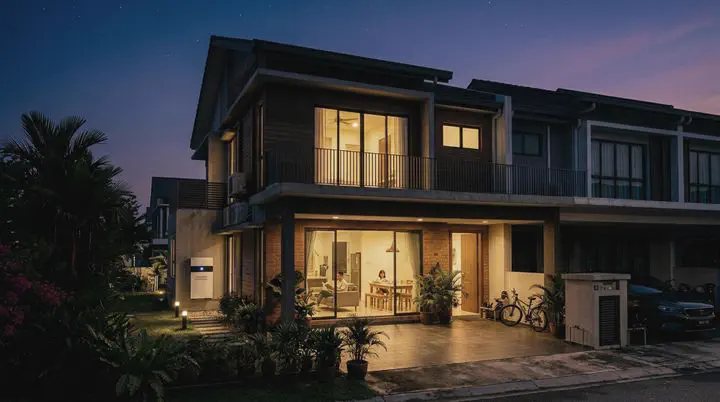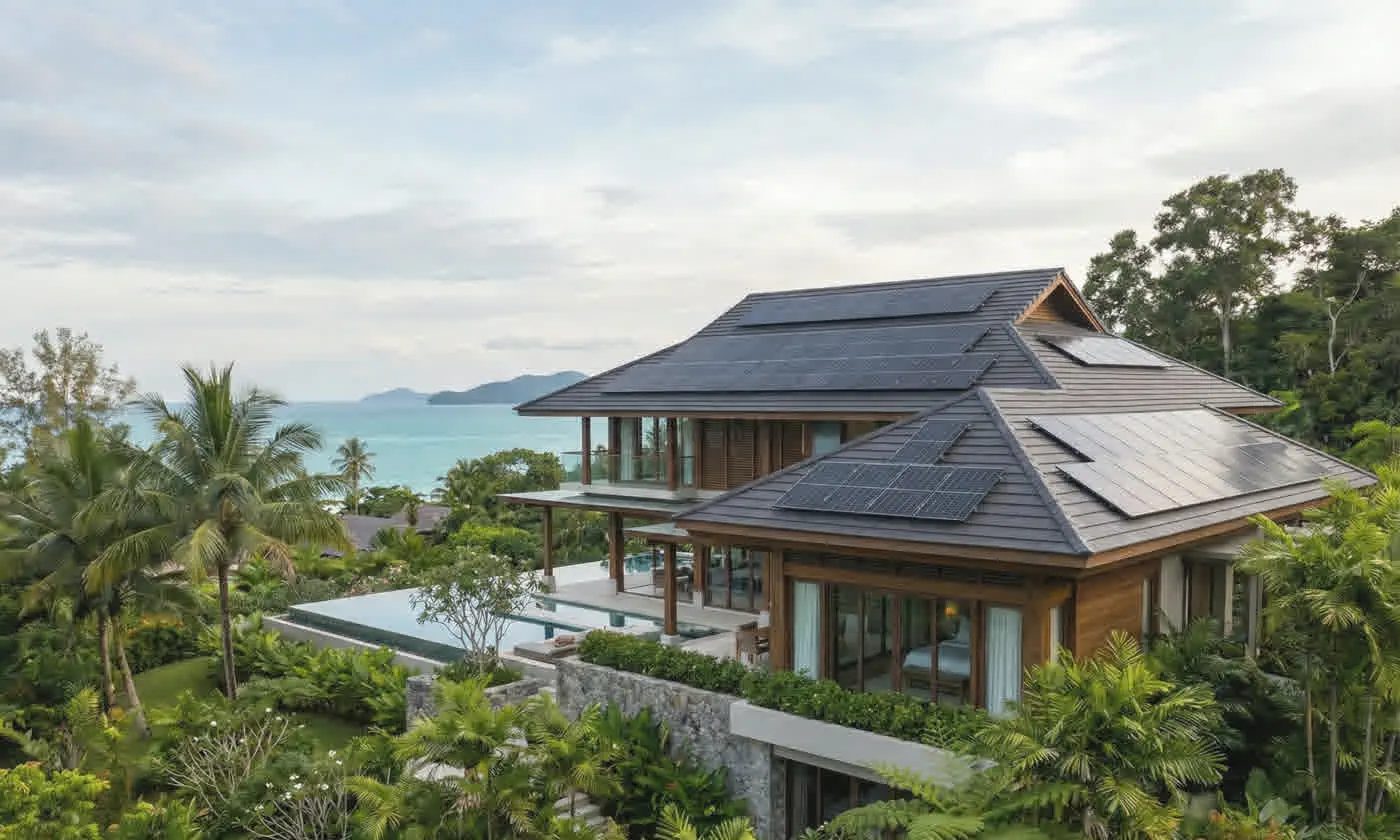
Pick your home and confirm your bill.
Choose the closest match for your home, then slide to your average monthly TNB bill. The numbers below update as you slide.


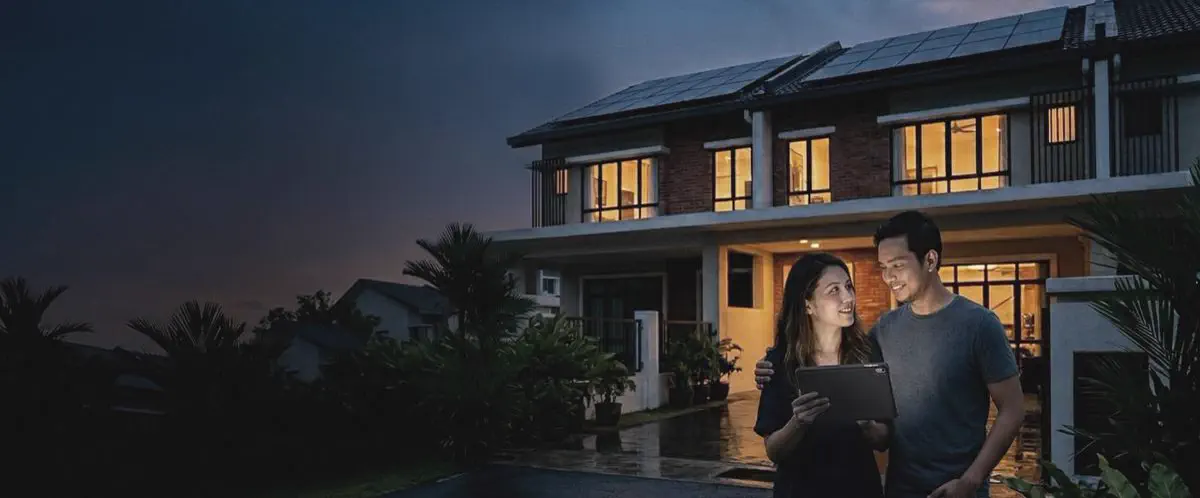
Home solar — solar panels and home battery storage for Malaysian houses. Find out how many panels your home needs and start saving. ERS Energy designs rooftop solar, home battery backup, and EV charging tailored to your household, all under the Solar ATAP programme.
Payback and savings figures are estimates for reference only, not a quotation or offer. Actual results depend on the site survey, tariff and usage.
Under the Solar ATAP programme (from 2026), excess solar energy you export is credited against your bill at the TNB energy charge, subject to monthly caps and grid checks.
Malaysia’s electricity tariff restructured in July 2025. If your monthly bill is above RM 200, you’re now paying energy, capacity, and network charges — plus KWTBB and SST for higher-usage households. Solar offsets these directly. Pick your home type and slide your monthly bill to see the right system size and your break-even point.
Choose the closest match for your home, then slide to your average monthly TNB bill. The numbers below update as you slide.


Live estimate updated as you change the inputs. System size, monthly generation, and savings.
Illustrative estimate only, based on the stated assumptions and current published tariffs/incentives. Not a quotation or financial, tax or investment advice. Actual results depend on a site survey.
Two short walkthroughs from homeowners who used this exact tool to size their decision.
“My bill jumped after July 2025. Is solar worth it now?”
A 3-bedroom terrace in Subang with a RM 280/month bill. The post-July tariff restructure added capacity and network charges on top of energy costs, increasing effective per-kWh rates for mid-usage households. The calculator sizes the right system and shows what changes.
Result: 5.8 kWp system (single-phase Solar ATAP cap), payback 3.6–4.4 years, RM 62,387–65,287 net of system cost over 25 years. On a three-phase supply: 6.4 kWp, payback 3.8–4.7 years.
“Will a full-size system actually fit on my roof?”
Pick your home type. If the optimal system for your bill exceeds your available roof space, the calculator flags it and adjusts the recommendation to the largest system your roof can support. The flag is non-blocking; you still see the best achievable payback.
Result: roof-constrained systems are flagged and right-sized automatically
From the day your solar — or solar + battery energy storage — switches on, here’s what residential customers experience right away.


Payback and savings figures are estimates for reference only, not a quotation or offer. Actual results depend on the site survey, tariff and usage.
The typical flow of owning a solar PV and battery energy storage system, from your first conversation with us to decades of clean energy at home.
“ERS has been maintaining our system for 3 years now. Response time is fast, the app catches issues before we even notice, and the panels are still performing like day one.”
“They walked us through every step. Quote was exactly what we paid, paperwork was sorted for us, and our bill dropped the first month. No drama, no surprises.”
“We added battery storage a year after the solar install. The same team came back, handled it cleanly, and now we’re running on our own power even after sunset. Would recommend.”
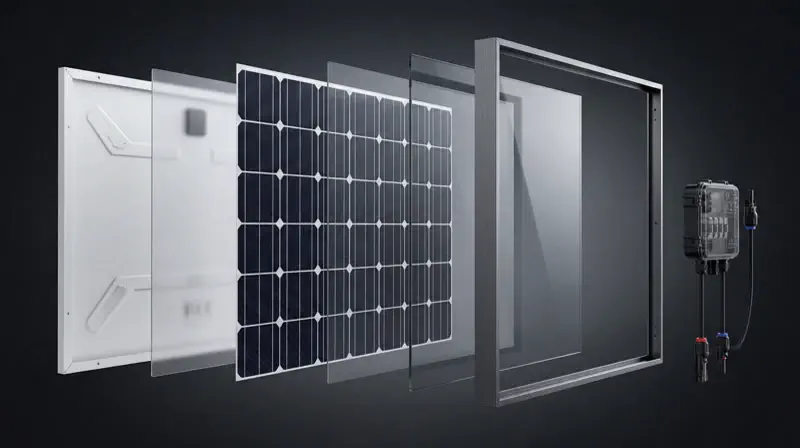
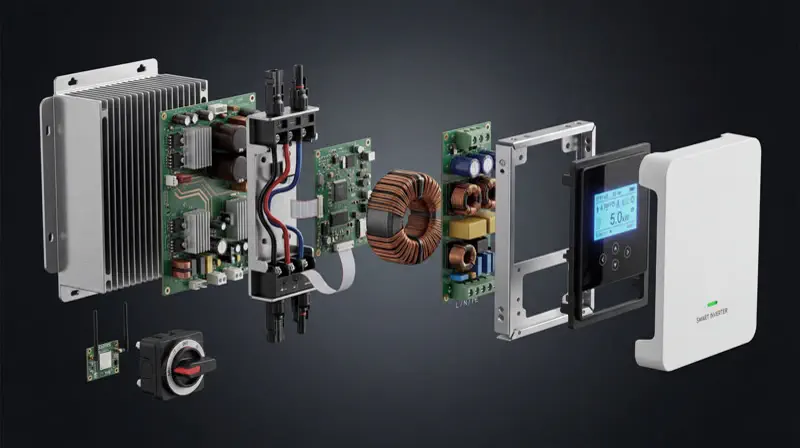
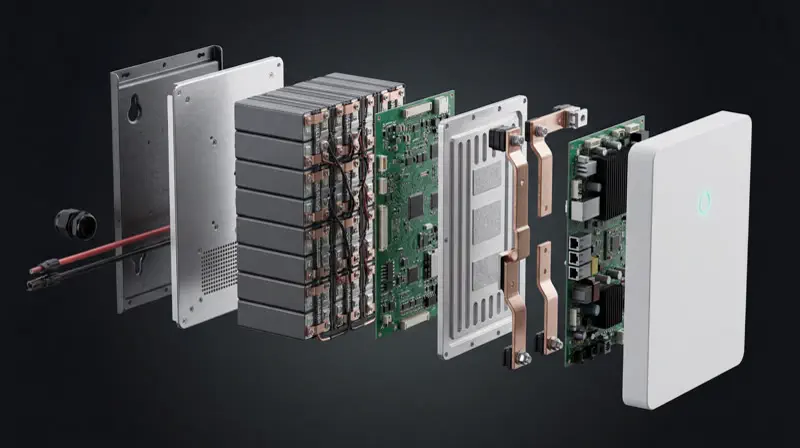
We use only Tier-1 equipment. Here’s what powers your home and why it matters.

Photovoltaic modules convert sunlight directly into electricity using silicon cells. Modern panels achieve 20–22% efficiency, meaning more power from less roof space. They have no moving parts and are built to withstand Malaysia’s tropical climate.

The inverter is the brain of your solar system. It converts DC power from your panels into AC power your home uses. Smart inverters also monitor performance, optimise output, and connect to your phone for real-time tracking of your energy production.

Battery energy storage captures excess solar power during the day and releases it when you need it — at night, during peak tariff hours, or when the grid goes down. Think of it as your personal energy reserve that maximises every ray of sunlight.
Start saving from day one — pay upfront for the best ROI, or spread the cost at 0% interest.
Payback and savings figures are estimates for reference only, not a quotation or offer. Actual results depend on the site survey, tariff and usage.
expand_circle_right Explore Financing OptionsCost depends on system size, roof structure, and whether you add battery storage, so ERS provides a site-specific quotation after a survey. With 0% bank credit-card instalment plans up to 60 months, payments can be spread with no upfront cost.
Solar ATAP (Akses Tenaga Solar AhliPanel) is the Malaysian government programme for residential rooftop solar, launched January 2026 by PETRA. Eligible homes are TNB Domestic-tariff customers with usable roof area of 30+ sqm. Exports are credited against your TNB bill at the energy charge for domestic customers, capped monthly, under a contract of up to 10 years.
Installation takes 1 day on-site. The full process from site assessment to grid connection takes 6 to 12 weeks. The bottleneck is TNB SUKA (Single Universal Application) approval, which averages 4 to 8 weeks under SelCo. ERS handles all paperwork including SUKA, SEDA registration, and TNB liaison.
Payback depends on your daytime consumption, system size and tariff. Homes with daytime occupancy (work-from-home, families, elderly residents) typically benefit most; households with mostly evening usage may need home battery storage. Use our calculator for an illustrative range for your home.
Battery storage adds value if your evening tariff exposure is high (above 40% of monthly consumption) or if you want backup power during outages. For pure cost reduction on TNB Domestic tariff, solar-only is more economical. Most Malaysian households add 5 to 10 kWh batteries when they install medical equipment, work from home, or upgrade to EV charging.
After year 10, your system continues generating but the ATAP credit ratio resets per current government policy. Solar panels have a 25-year design life with linear degradation around 0.5% per year. By year 11, your system has typically paid back the original investment 2 to 3 times over in bill savings.
We install for landed property primarily: terraces, semi-Ds, and bungalows with private rooftops. Condominium and apartment installations require strata management approval and shared metering arrangements which are complex; we evaluate case-by-case for stratified properties.
Solar panels: 25-year linear performance warranty + 12-year product warranty (Tier-1 panels). Inverters: 10-year warranty (extendable to 20). Workmanship: 5-year ERS warranty on installation. Home battery storage: 10-year warranty with 60% capacity retention guarantee.
Get a free consultation and custom system design for your home. No obligation, no pressure.