The Penang Energy Framework (PEF), launched in November 2024, targets 25 per cent energy efficiency and 10 per cent renewable electricity generation by 2030. Johor aims to be a low-carbon state by 2030 under its Johor Green Development Policy 2030. For manufacturers, expect a growing emphasis on efficiency and on-site solar.
Key facts
- PEF was launched in November 2024 by the Penang state government.
- Its 2030 targets are 25 per cent energy efficiency and 10 per cent renewable electricity generation.
- Reported measures include building energy intensity limits and rooftop solar requirements for new commercial and industrial buildings.
- Johor set up the Johor Sustainability Centre and Johor Green Development Policy 2030, and aims to be a low-carbon state by 2030.
What is the Penang Energy Framework?
The Penang Energy Framework is the state’s roadmap for energy efficiency and renewable energy. Its headline 2030 targets are 25 per cent energy efficiency and 10 per cent renewable electricity generation, as set out on the Penang Green Council (PGC) framework page. Energy efficiency means getting the same output from less energy, while renewable electricity generation means producing power from sources such as solar.
What does PEF mean for a manufacturer?
Manufacturing is a large part of Penang’s economy, so factories are the most affected. Penang now requires new commercial and industrial buildings to install rooftop solar or source renewable energy (The Star).
Even where a rule does not bind an existing plant, a factory that can show lower energy use and on-site renewable power is better placed to answer sustainability questions from its customers.
What is Johor doing?
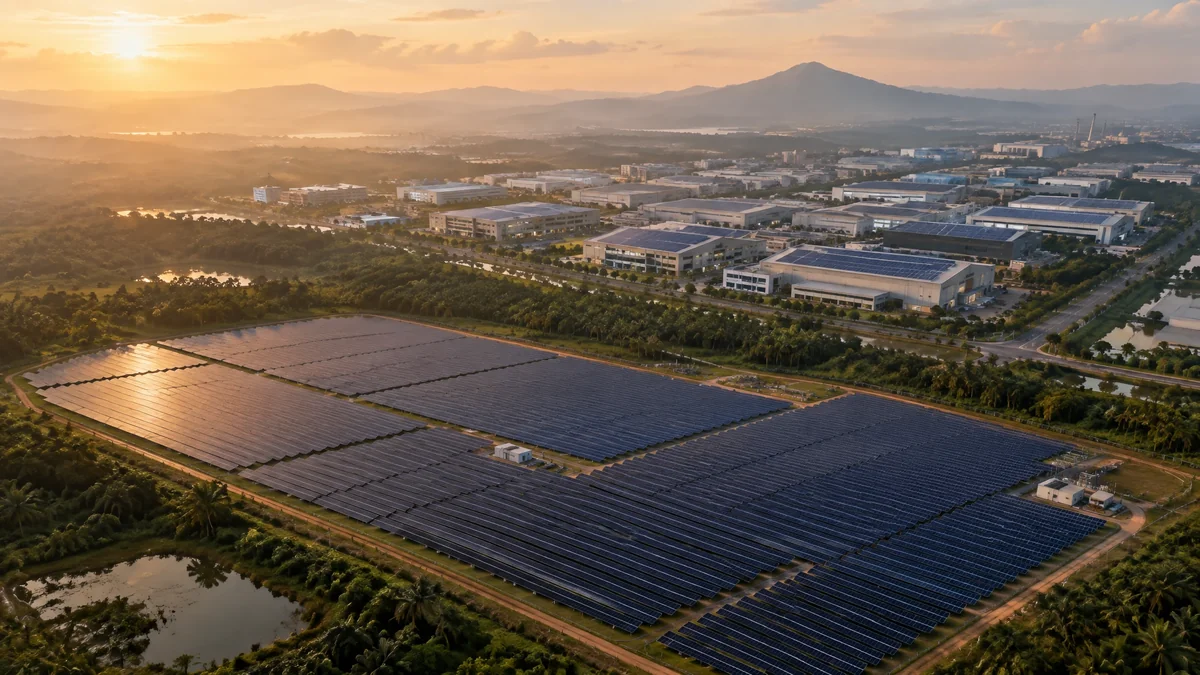
Johor has launched its Johor Green Development Policy 2030, which covers renewable energy and identifies sites for solar farms, as Bernama reported. Incentive details for manufacturers vary, so confirm the current position with Invest Johor before planning.
What practical steps should a manufacturer take?
- Measure first. Collect 12 months of TNB bills and, if possible, half-hourly demand data. Energy efficiency cannot be managed without a baseline, and the bills also show which tariff category and maximum demand charge apply to your plant.
- Cut waste. Compressed air, chillers and lighting often offer the quickest efficiency gains.
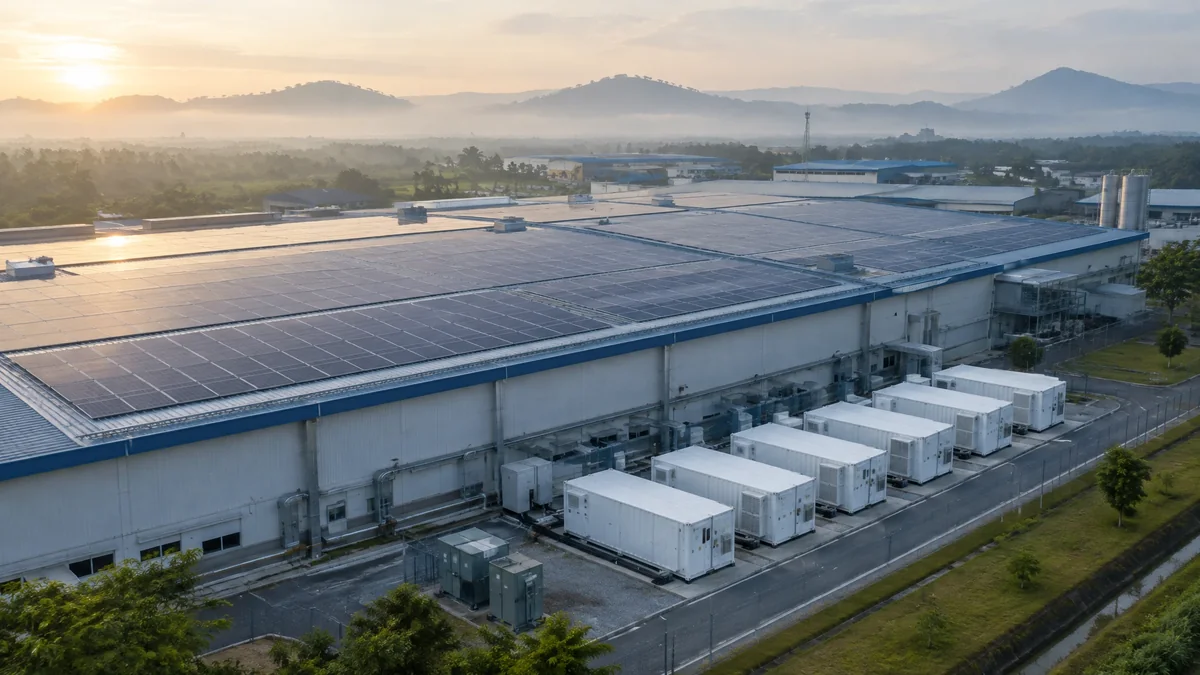
- Size rooftop solar to daytime load. Self-consumption, meaning solar power used on site rather than exported, usually brings the best return, because each kilowatt-hour used is one you do not buy from the grid. See commercial and industrial solar.
- Consider a BESS. Storage can shave peaks and protect critical loads. Our guide to solar and BESS for factories explains the trade-offs.
- Check the economics. Use the commercial and industrial ROI calculator and compare ownership models under investment structuring.
Does the target mean everyone must install solar?
No. The state targets are policy goals for Penang and Johor as a whole. The rooftop requirement reported by The Star is for new commercial and industrial buildings, not existing ones, and specific obligations depend on the measure. Manufacturers should check the current rules for their premises with their local authority and the state agency.
How ERS Energy helps
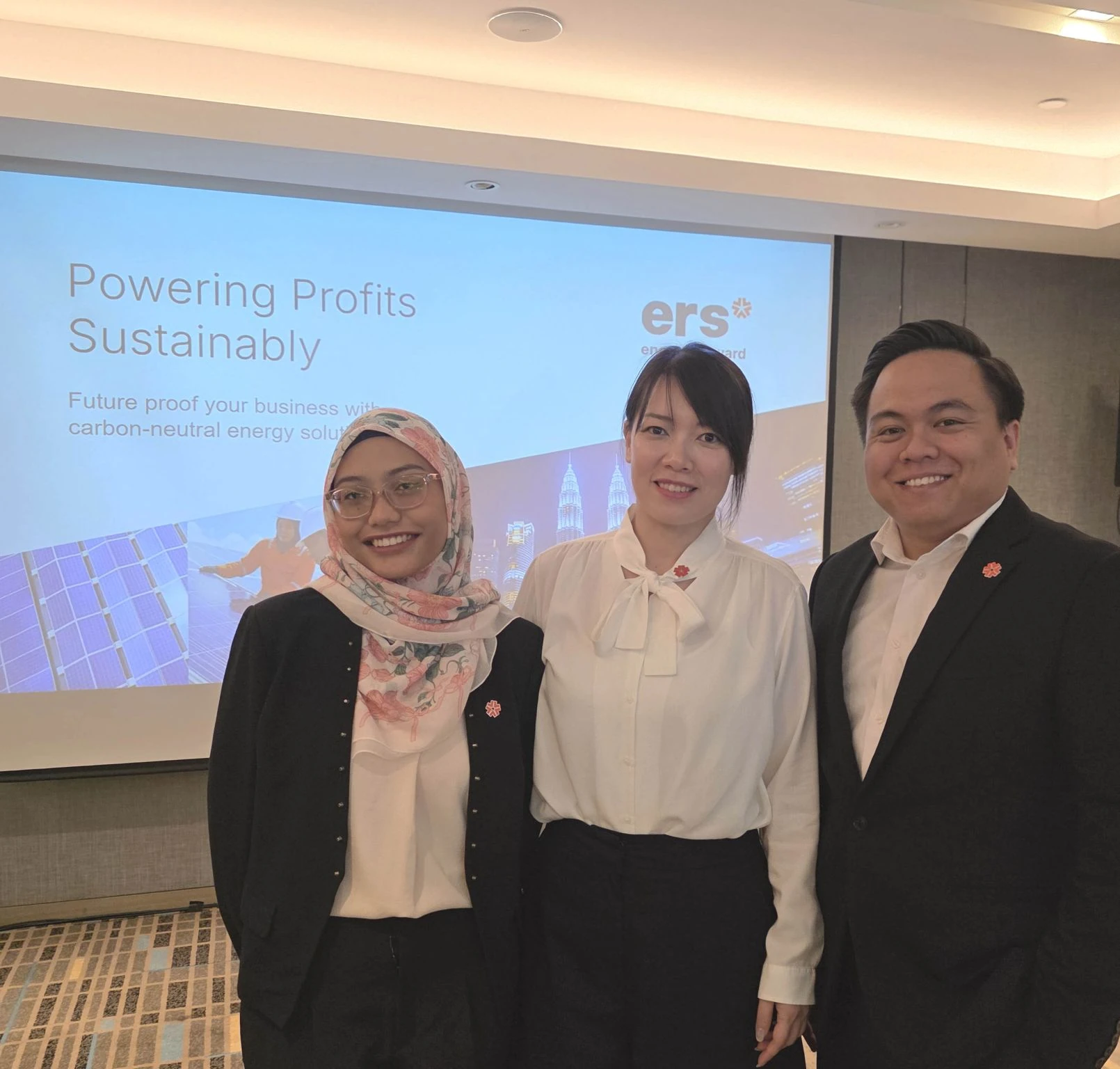
For manufacturers in Penang and Johor, we look at rooftop solar, BESS and financing together so the plan fits your load profile and your balance sheet. ERS Energy discussed solar with BESS at its “Energy Transition for Business Growth” Industry Talk in Penang in July 2026, and hosted Johor stakeholders in April 2026.
Frequently asked questions
Is the Penang Energy Framework legally binding on factories?
The 2030 targets are state policy goals. Some measures, such as building standards for new developments, may carry requirements. Check your project and premises with the relevant Penang authority, because obligations differ for new and existing buildings.
Does rooftop solar help meet energy efficiency targets?
Solar does not reduce the energy a process uses, but it lowers grid electricity drawn and raises the renewable share. Efficiency upgrades address efficiency directly. The best plans combine both, with solar sized to daytime demand.
What is the difference between PEF’s efficiency and renewable targets?
Energy efficiency is about using less energy for the same output, while renewable electricity generation is about producing power from sources such as solar. PEF sets a separate 2030 target for each, so a factory can contribute through efficiency upgrades, on-site solar, or both.
Sources
Facts and figures may vary by the time you read this. This article is for general information only and is not financial, legal, tax or engineering advice. Always double-check key facts and figures with the relevant official source before relying on them.
Want a solar and BESS assessment for your plant?
Contact our team