CGPP is closed to new applicants. CRESS suits large electricity users with the resources for complex procurement, while CREAM suits smaller low or medium voltage businesses within about 5 km of a rooftop solar plant of 100 kWp to 2 MWp. Choose by your scale, location and appetite for contract negotiation.
Key facts
- CGPP (Corporate Green Power Programme) was a one-off 600 MW round that closed to applications in February 2023. CRESS (Corporate Renewable Energy Supply Scheme) is designed for large-scale users.
- CREAM (Community Renewable Energy Aggregation Mechanism) applications opened on 1 June 2025.
- CREAM plants are 100 kWp to 2 MWp per 11 kV feeder, with consumers within about 5 km.
- CRESS lets developers use the grid for direct supply; the developer pays a system access charge to the Single Buyer.
- ERS was EPCC contractor for the 45 MWp / 29.99 MWac TNB Bukit Sidim Kulim Solar plant under CGPP.
What do CGPP, CRESS and CREAM each do?
All three let a business buy renewable electricity without building its own plant, but they work at different scales. The Corporate Green Power Programme (CGPP) is a financial arrangement between a corporate consumer and a solar developer, with no physical transfer of electricity: the plant sells to the grid, and the buyer and developer settle the difference against a fixed price. It was a one-off round with a 600 MW quota, and its application window closed in February 2023, so it is not a route for new projects today.
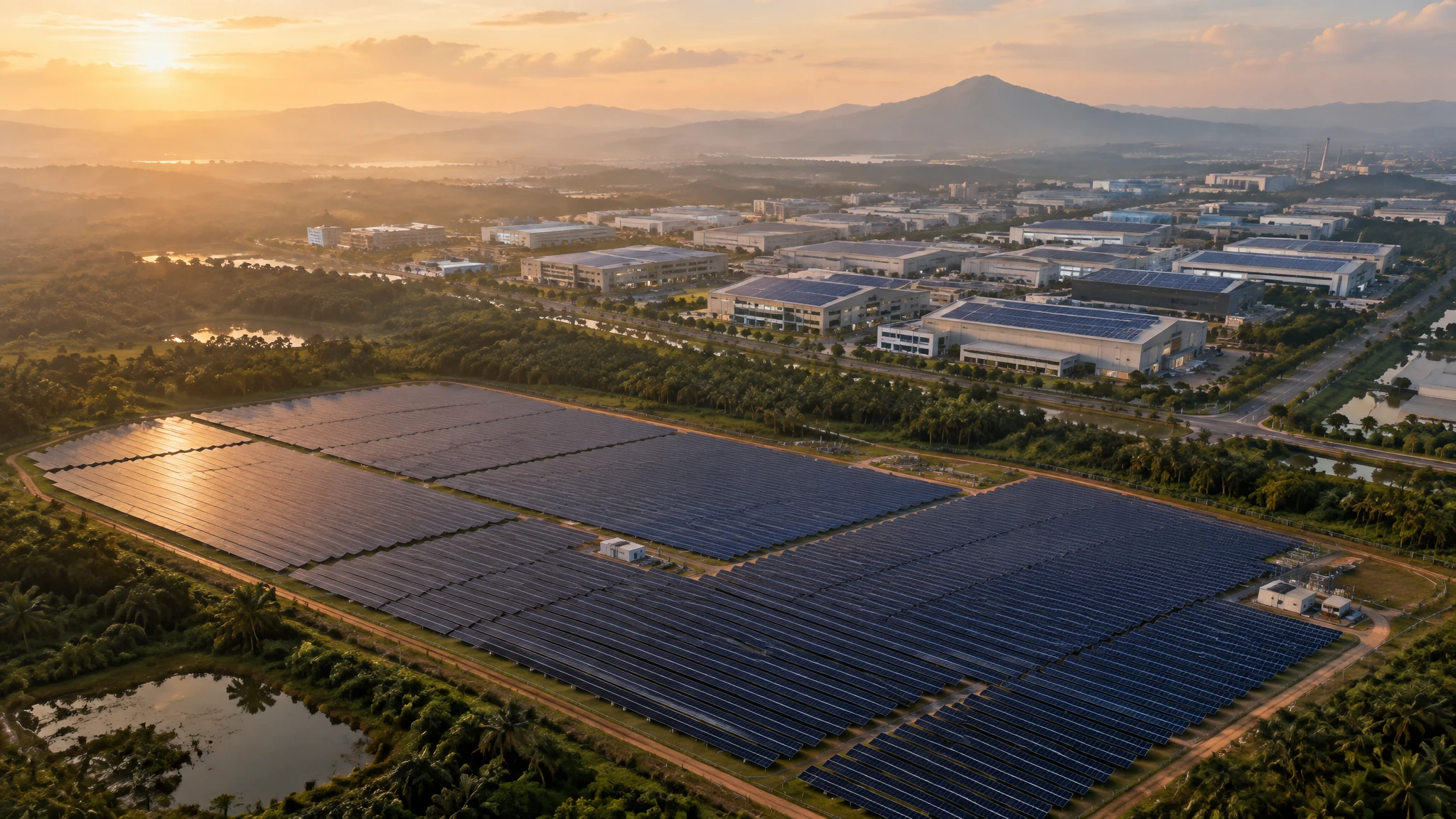
The Corporate Renewable Energy Supply Scheme (CRESS) gives renewable energy developers third party access to the grid to deliver power directly to corporate consumers in Peninsular Malaysia. The developer, which must be at least 51% locally owned, pays a system access charge (SAC) to the Single Buyer. Its plant must be new, with no private wire to the consumer. Solar plants must provide Firm Output with a battery energy storage system (BESS) of at least 50% of plant capacity for 4 consecutive hours, or pay a higher SAC. Consumers are high or medium voltage, and the SAC is fixed for three years with revisions capped at 15%.
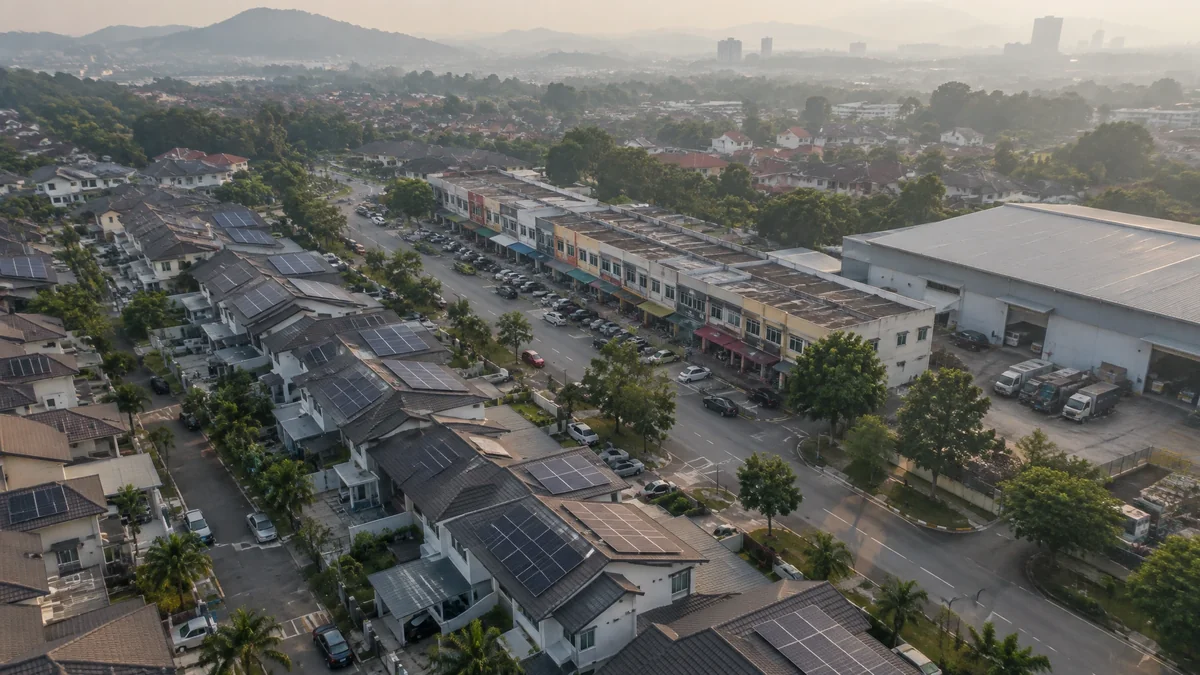
The Community Renewable Energy Aggregation Mechanism (CREAM) brings the same grid-access idea down to rooftop scale. A Local Energy Generator and Aggregator (LEGA) supplies nearby Local Green Consumers from residential rooftop plants.
How do the three programmes compare?
| Feature | CGPP | CRESS | CREAM |
|---|---|---|---|
| Designed for | Large-scale corporate users | Large-scale corporate users | Low and medium voltage customers, including smaller businesses |
| Supply model | Financial arrangement, no physical transfer | Direct supply through third party grid access | Direct supply from nearby rooftop plants through the grid |
| Plant scale | Solar plants of 5 MW to 30 MW export capacity (for example 45 MWp / 29.99 MWac at Bukit Sidim) | New plants of at least 30 MW with a direct grid connection; solar needs BESS of at least 50% of plant capacity for 4 hours to count as Firm Output | 100 kWp to 2 MWp per 11 kV feeder, on landed homes |
| Location rule | Peninsular Malaysia; no proximity rule | Peninsular Malaysia; high or medium voltage consumers | Consumer within about 5 km of the plant, Peninsular Malaysia |
| Grid charge | None; the consumer keeps paying TNB its normal tariff | System access charge paid by the developer to the Single Buyer (20 sen/kWh firm, 40 sen/kWh non-firm from the fourth Regulatory Period) | Community Access Charge of 9 sen/kWh for firm and non-firm supply in the fourth Regulatory Period (previously 15 sen/kWh; announced 29 August 2025), paid by the LEGA, fixed for three years and not charged on excess energy |
| Contract | Agreement with developer | Bilateral Energy Supply Contract with the developer; excess energy sells at 8 sen/kWh | Bilateral Energy Supply Contract negotiated with the LEGA |
Sources: the Energy Commission release on the reduced access charges (cuts of up to 40 per cent), Skrine on CGPP, Rajah & Tann on CRESS and Skrine on CREAM. Verify current figures with the Energy Commission before budgeting.
Which programme fits which business?
A large manufacturer or other large electricity user with a procurement team is the natural fit for CRESS. CGPP was built for the same kind of buyer, but it is closed to new applicants, so it is not an option for a new project today.
A smaller business on low or medium voltage, located near landed homes with rooftop space, is the natural fit for CREAM. Landed homeowners who lease roof space and nearby businesses that buy the power can take part in the same scheme. The business keeps its TNB connection, and TNB, as the Electricity Utility Company (EUC), acts as supplier of last resort for any shortfall. Read more in What is CREAM.
What does a CGPP project look like in practice?
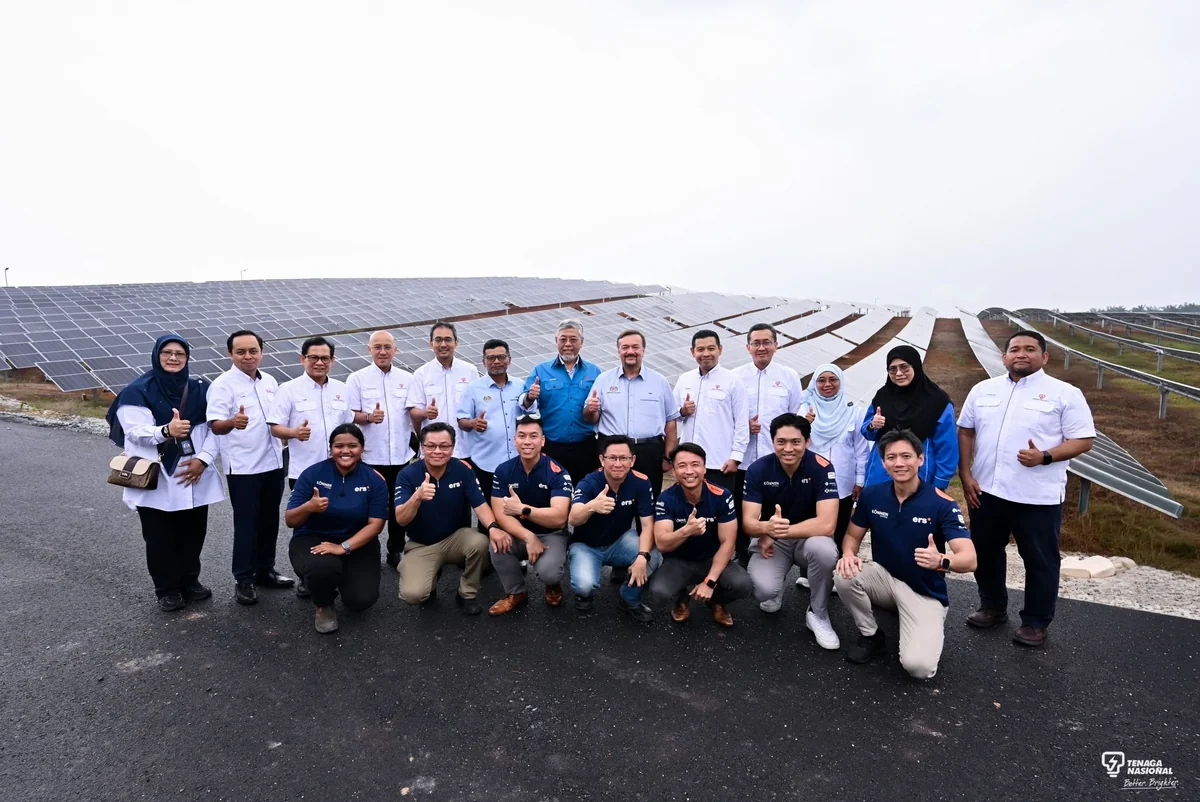
TNB Bukit Sidim Kulim Solar in Kedah (45 MWp / 29.99 MWac) was delivered under CGPP, with ERS Energy as EPCC contractor. Because CGPP is a financial arrangement, the plant exports to the grid and the corporate buyer settles financially; see the Bukit Sidim project article for the engineering.
How ERS Energy helps
ERS Energy has been an engineering, procurement, construction and commissioning (EPCC) contractor since 2009, with 2 GWp+ installed across 2,000+ projects in six markets and ISO 9001, 14001 and 45001 certification. Which route suits you is a commercial and regulatory decision. On the build side, we deliver utility-scale plants such as Bukit Sidim and rooftop solar, the kind of plant a LEGA would build under CREAM. See our utility-scale projects and investment structuring options.
Frequently asked questions
Is CREAM only for homeowners?
No. CREAM involves both sides. Landed homeowners lease roof space to a LEGA, while low or medium voltage customers, including businesses, buy the electricity as Local Green Consumers. A business qualifies if it operates in Peninsular Malaysia within about 5 km of the plant.
Do I lose my TNB supply under CREAM?
No. You remain connected to the national grid. TNB, as the Electricity Utility Company, is your supplier of last resort and covers any shortfall. You pay the LEGA for green electricity delivered and TNB only for the remaining balance.
Is CGPP still open?
No. CGPP was a one-off round with a 600 MW quota, and its application window ran from 7 November 2022 to 6 February 2023, according to Skrine. New corporate buyers should look at CRESS or CREAM instead, depending on their size.
Does CGPP mean the plant delivers power to my factory?
No. Under CGPP the plant sells its output to the grid and the corporate consumer keeps paying TNB its normal tariff. The buyer and the developer settle the difference against a fixed price, so it works as a price hedge, not a physical delivery.
Sources
- Energy Commission release on the reduced access charges
- Skrine on CGPP
- Rajah & Tann on CRESS
- Skrine on CREAM
Facts and figures may vary by the time you read this. This article is for general information only and is not financial, legal, tax or engineering advice. Always double-check key facts and figures with the relevant official source before relying on them.
Not sure which route suits your site? Send us your TNB bill and location.
Talk to our team