Judge a solar EPCC contractor’s safety record by checking five things: a certified ISO 45001 system, trained HSE leaders such as NIOSH Tenaga Safety Leader Passport (NTSLP) holders, visible site leadership, recognition and accountability for subcontractors, and attention to workers’ mental health. Ask to see the evidence behind each.
Key facts
- ISO 45001 is the international standard for occupational health and safety (OH and S) management systems.
- The NIOSH Tenaga Safety Leader Passport (NTSLP) is a safety leadership programme run with NIOSH Malaysia.
- In April 2026, ERS Energy worked with NIOSH Malaysia and Sabah Electricity on the first NTSLP programme held in Sabah.
- ERS Energy is certified to ISO 45001, alongside ISO 9001 and ISO 14001.
Why does an EPCC contractor’s safety record matter?
On a solar project the contractor controls the site, so its safety performance decides who is at risk, and how likely a delay is. Work at height, electrical work, heavy lifting and many subcontractors all raise the stakes. A serious incident can stop a site, trigger investigations and push back the date power is exported.
For owners and lenders, a weak safety culture is also a warning about quality and discipline more broadly.
Checklist: five questions to ask a contractor
| Check | What good looks like | Evidence to look for |
|---|---|---|
| 1. Certified management system | Current ISO 45001 certificate from an accredited body, covering the work you need | Certificate, scope and audit date |
| 2. Trained HSE leaders | Supervisors and managers hold recognised credentials such as NTSLP | Training records and names of site HSE leads |
| 3. Leadership on site | Senior managers visit sites, run safety briefings and act on findings | Site inspection reports and records of follow-up actions |
| 4. Subcontractor control | Safety criteria in subcontract selection, plus recognition and consequences | Subcontractor induction and safety recognition records |
| 5. Mental health and wellbeing | Talks, support channels and fatigue management for crews | Programme descriptions and participation |
What is ISO 45001?
ISO 45001 is a voluntary international standard for occupational health and safety management systems. According to the International Organization for Standardization (ISO), it gives a framework to prevent work-related injury and ill health and to provide safe and healthy workplaces. It requires hazard control, legal compliance, worker participation and continual improvement.
A certificate is a strong foundation; how the system is applied on site shows its value. Ask whether the contractor’s subcontractors work within it.
Two kinds of indicator help. Lagging indicators count past harm, such as lost-time injuries. Leading indicators measure prevention, such as inspections completed, training delivered and corrective actions closed. A contractor that tracks both and acts on them is managing safety actively.
What is NTSLP and why does it matter?
The NIOSH Tenaga Safety Leader Passport (NTSLP) is a safety leadership programme. It trains supervisors and site managers in safety leadership.
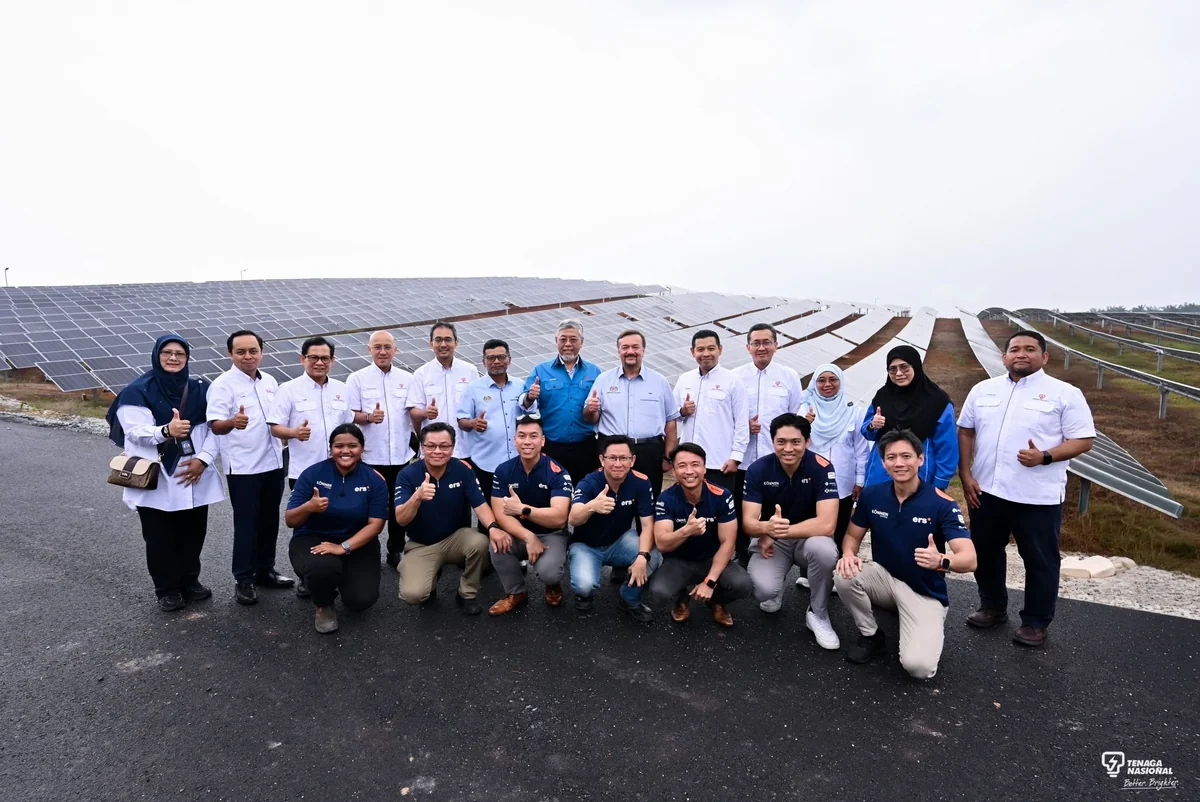
In April 2026, ERS Energy collaborated with NIOSH Malaysia and Sabah Electricity to hold the first NTSLP programme in Sabah. The aim was to give ERS Energy’s HSE leaders stronger safety competencies and to lift industry standards in the region’s energy sector.
How do subcontractor awards and mental health fit in?
Much of the labour on a solar site is typically supplied by subcontractors, so a contractor’s safety record is only as good as its subcontractor controls. ERS Energy’s annual awards for outstanding safety leadership reinforce the behaviour owners want to see.
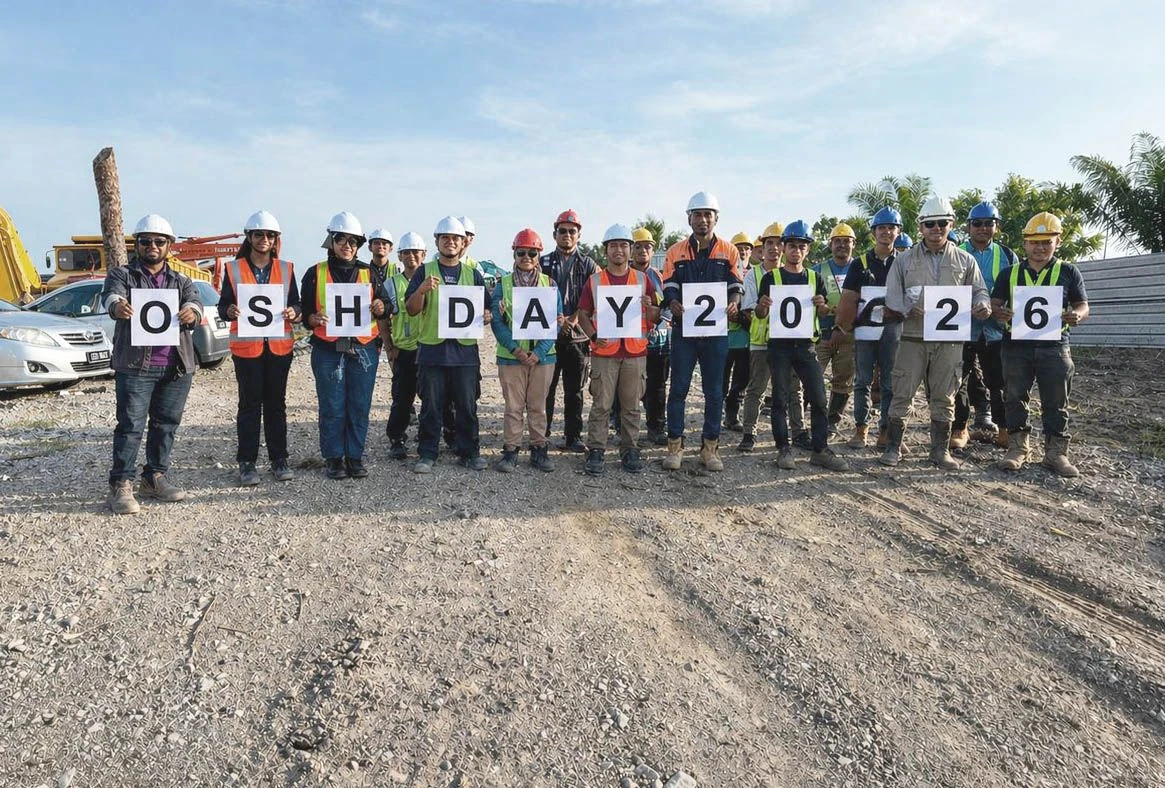
For example, for World OSH Day 2026 ERS Energy teams at project sites held mental health awareness talks and safety pledges. Tired or stressed crews make more mistakes, so wellbeing is part of safety.
See how these standards apply to a large-scale project or read about our approach to sustainability.
How ERS Energy helps
ERS Energy has been an engineering, procurement, construction and commissioning (EPCC) contractor since 2009, with 2 GWp+ installed across 2,000+ projects. ERS holds ISO 45001 certification, worked with NIOSH Malaysia and Sabah Electricity on the first NTSLP programme in Sabah, and runs annual safety leadership awards across rooftops and utility-scale plants alike. Read more about ERS Energy.
Frequently asked questions
Which safety certificates should a solar contractor hold?
Start with ISO 45001 for occupational health and safety, ideally alongside ISO 9001 and ISO 14001. Check that the certificate is current, issued by an accredited body and covers solar construction, then ask how it is applied on site.
Does ISO 45001 certification mean a contractor is safe?
It shows the contractor operates a certified occupational health and safety management system, which is a strong foundation. Read it together with how the system is applied on site, for example inspections, training and follow-up of findings.
Can owners audit an EPCC contractor’s site safety?
Contracts commonly allow owners or their engineers to inspect sites and review HSE records, so check yours. Agree the audit rights, reporting frequency and stop-work authority in the contract before construction begins.
Sources
Facts and figures may vary by the time you read this. This article is for general information only and is not financial, legal, tax or engineering advice. Always double-check key facts and figures with the relevant official source before relying on them.
Choosing an EPCC contractor for a solar project?
Talk to ERS Energy